Sign in to save favorites
Log in or create a free account to add PT-141 (10mg) to your favorites and keep a list you can come back to.
Sign in / Create accountThe PT-141 10mg Neuro Peptide is of high research quality and available in the form of lyophilized powder. The PT-141 peptide is commonly referred to as Bremelanotide, which is a cyclic heptapeptide of the melanocortin peptide family that binds to melanocortin receptors (MC3R, MC4R. Contrary to peptides that are used in the study of melanogenesis, PT-141 has become a useful tool for neuroscientists studying neuroendocrinology, pharmacology of receptors, and peptide pathways.
PT-141 10mg can be applied by researchers for investigating receptor activation, neurotransmitter signaling, and peptide-receptor interactions in the laboratory. The 10 mg lyophilized powder of high purity is a perfect choice for experiments, as it is stable and reproducible. PT-141 10mg should only be used in laboratory research; it is not intended for human or veterinary use.
Full Name: Bremelanotide (PT-141)
Peptide Sequence: Ac-Nle-cyclo [Asp-His-D-Phe-Arg-Trp-Lys]-OH
CAS Number: 189691-06-3
PubChem CID: 11949646
Molecular Weight: 1025.2 g/mol
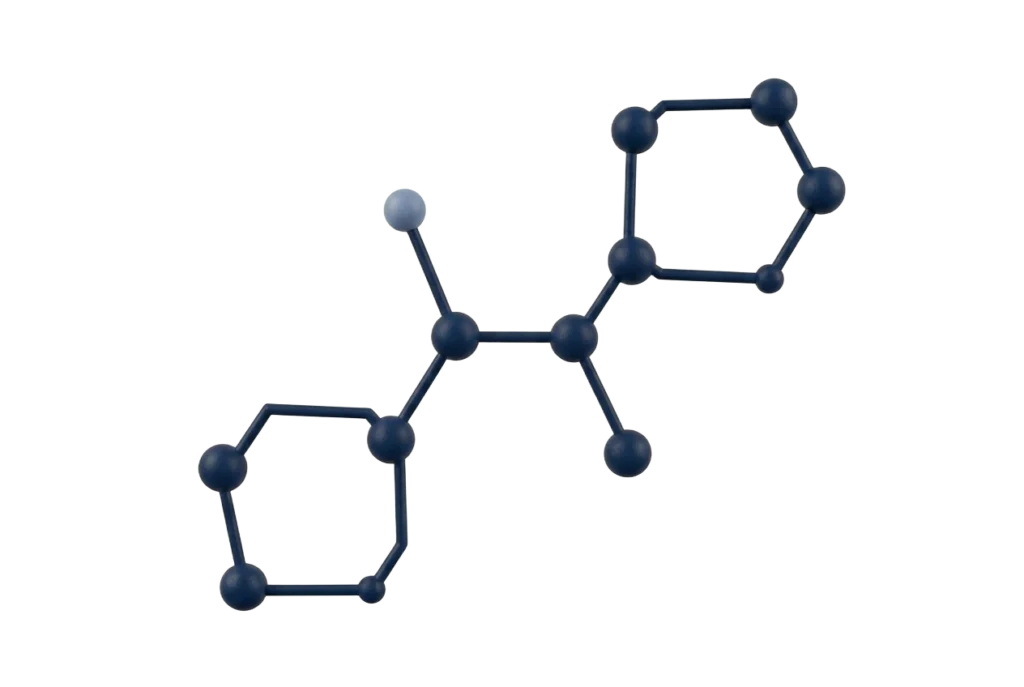
Molecular Formula: C₅₀H₆₈N₁₄O₁₀
Appearance: White to off-white lyophilized powder
Purity: ≥98% (HPLC)
Neuro Peptide products are meant for scientific study in laboratories only. PT-141 10mg cannot be used for any form of human or animal consumption, treatment, or diagnostic purpose. Neuro Peptide does not make or sell any of its products in the form of drugs, nutritional supplements, cosmetics, or medical devices.
When researching PT-141 (Bremelanotide), scientists pay special attention to the interaction of this drug with the melanocortin receptor system, through which various biological signaling pathways in the central nervous system work.
PT-141 is an agonist of MC3R (melanocortin-3) and MC4R (melanocortin-4) receptors. Receptor activation starts an intracellular signaling pathway, which is studied by researchers in neuroscience and peptide pharmacology.
PT-141 differs from other research peptides, the action of which is based on the influence on the peripheral biological signaling pathways, and is being researched due to the effect of modulation of the central nervous system signaling pathway.
PT-141 is a good research tool for studying peptide-mediated communication between neurons and the endocrine signaling pathway. Currently, there is research going on into how the activation of melanocortin receptors leads to neuroendocrine signaling.
PT-141 10mg is used by researchers for various scientific studies, such as:
Behavioral Studies: Studying the effects of melanocortin on behavioral activity and central nervous system signaling.
Neuroendocrinology: Study of the relationship of melanocortin receptors and the neuroendocrine signaling pathway.
Pharmacology of Receptors: Study of the receptor-ligand binding, selectivity, and the cellular signaling pathway.
Neuroscience: Study of the mechanism of action of the melanocortin receptors and the signaling pathway.
Peptide Pharmaceuticals: To understand the structure-activity relationship and get insights on the biology of the melanocortin peptides.
Molecular Pharmacology: Study of the receptor activation mechanisms and the cellular signaling pathway of peptides in the laboratory.
Storage Instructions
It is important to ensure that PT-141 is stored properly to ensure its stability.
Lyophilized Form Storage: Store unopened vials at -20°C or lower temperatures for preservation purposes. The vials can also be stored at 2–8°C if the vial is still sealed, but should not exceed a period of 12 months. The peptide needs to be protected from heat, humidity, and sunlight.
Reconstituted Solution Storage: The reconstituted solution is to be stored in the laboratory refrigerator at 2-8°C. Laboratory sterility is a necessary condition when handling.
Expiry Guideline: Generally, laboratory solutions are to be used within 30 days after reconstitution. Avoid freezing-repeating cycles, as they can affect peptide stability.
The dose and method for preparing PT-141 10 mg depend solely on the purpose of the particular experiment being undertaken. PT-141 is usually reconstituted using either bacteriostatic water or sterile saline to produce the required concentrations for laboratory use.
The use of the appropriate diluent and the concentration of PT-141 should be determined by the researcher in relation to the nature of the particular experiment being carried out. All researchers must observe sterile laboratory procedures when working with the compound in order to achieve reliable results.
PT-141 has been evaluated in a variety of experimental models. Researchers should design preparation and handling procedures according to their approved laboratory protocols.
PT-141 10mg is mainly used in laboratory studies for the investigation of the physiology of melanocortin receptors, neuroendocrine signalling, receptor pharmacology, and peptide-mediated cell-cell interactions. Researchers are still investigating its effect in the presence of melanocortin receptors under laboratory conditions.
Yes. PT-141 is the research name for Bremelanotide, which is a synthetic cyclic peptide derived from the melanocortin peptide group. In laboratory research, PT-141 is used to study activation of melanocortin receptors.
Usually, PT-141 is reconstituted with either bacteriostatic water or sterile saline in the laboratory under sterile conditions.
Store unopened lyophilized vials at -20°C or below for long-term storage. If unopened, the peptide may also be refrigerated at 2–8°C for up to 12 months. After reconstitution, store the solution at 2–8°C and avoid repeated freeze-thaw cycles.
Despite being part of the melanocortin peptide family, the peptides vary based on receptor specificity and research applications. In the case of PT-141 (Bremelanotide), research is carried out with respect to the interaction between the peptides and the melanocortin receptors in the context of neuroendocrine communication.
No. PT-141 10mg from Neuro Peptide is supplied exclusively for laboratory research purposes. It is not intended for human consumption, medical treatment, diagnosis, or veterinary use.
PT-141 10mg (Bremelanotide) is a high-purity research peptide that continues to intrigue researchers due to its interaction with the melanocortin receptor system. Researchers utilize this peptide in order to study receptor pharmacology, neuroendocrine signaling, peptide-receptor interaction, and many other biological processes in a controlled lab environment.
The 10mg lyophilized powder is highly pure and stable, and can therefore be used in a wide variety of research-related applications of peptides. Each vial offered by Neuro Peptide is made to stringent standards to facilitate reliable research in laboratories.
All Neuro Peptide products are only for laboratory research purposes and are not approved for human or animal use.
Storage guidelines
Store at controlled room temperature Keep in original sealed container Do not freeze the vials Maintain stable temperature conditions
Refrigerate immediately at 36°F to 46°F Store at 2°C to 8°C consistently Keep refrigerated between uses Place in clean refrigerator compartment
If left out for more than 4 hours, contact supervisor Do not use if the temperature exposure is exceeded Return to refrigerator promptly after use Monitor storage conditions regularly
Chemical properties