Sign in to save favorites
Log in or create a free account to add KPV – 10mg to your favorites and keep a list you can come back to.
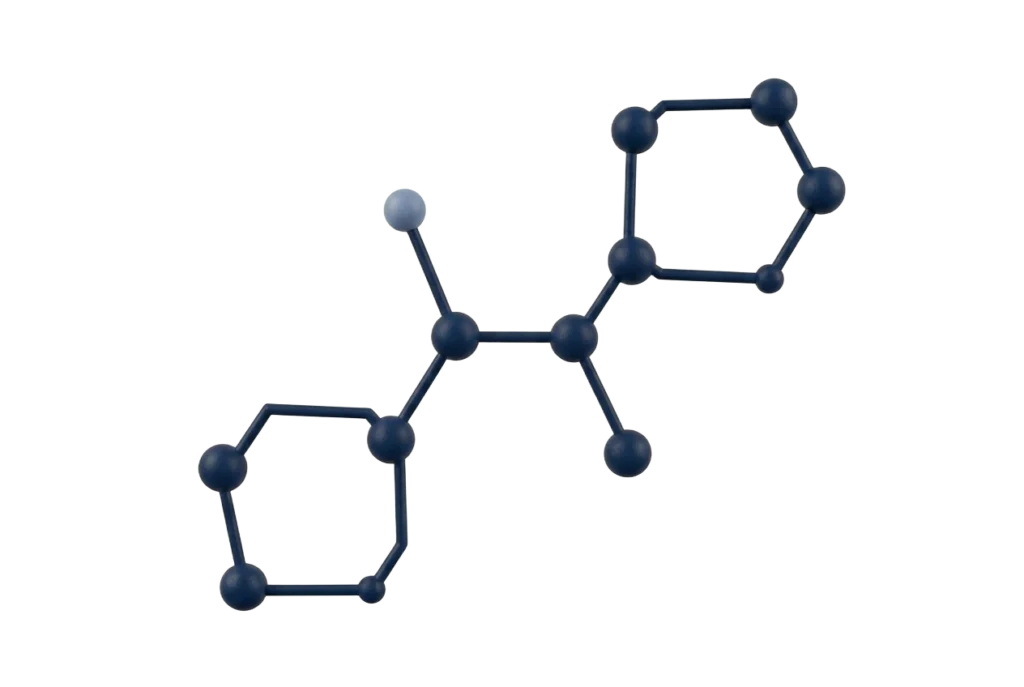
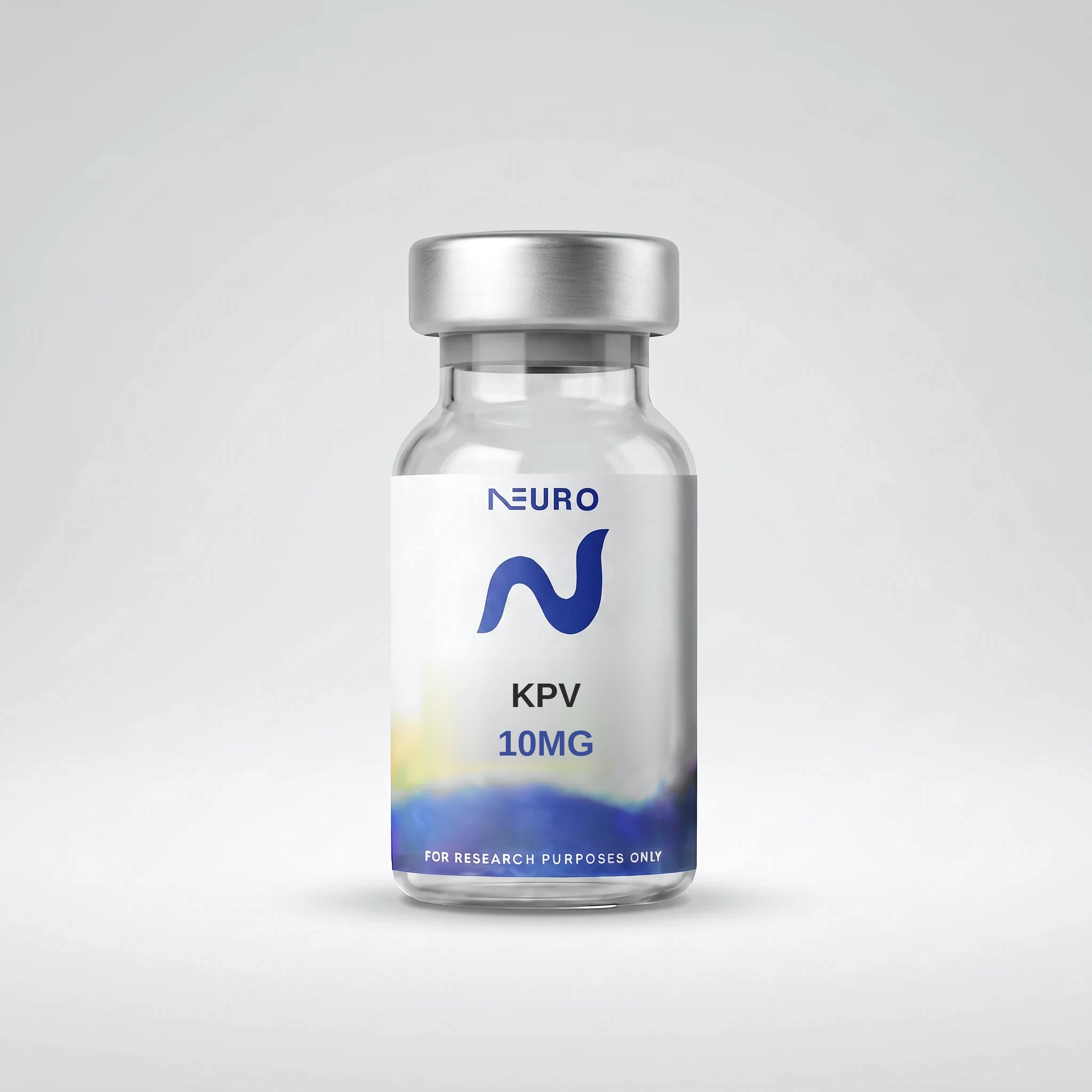
Sign in / Create accountKPV (Lysine-Proline-Valine) is a synthetic tripeptide obtained from the amino acid sequence of residues 11-13 of the endogenous peptide α-Melanocyte-Stimulating Hormone (α-MSH). Although KPV is derived from α-MSH, experimental studies indicate that it retains certain biological activities associated with the parent peptide, particularly anti-inflammatory effects. According to Catania et al., the peptides derived from melanocortins such as KPV have some anti-inflammatory and immunomodulatory properties that are being researched experimentally.
KPV derives from decades of study of the melanocortin system and pro-opiomelanocortin (POMC)-derived peptides. Researchers investigating α-MSH found that this peptide is involved in a wide variety of physiological processes, ranging from inflammation and immune cell communication to cellular homeostasis. Subsequent structure-activity studies of α-MSH derivatives have shown that the C-terminal tripeptide KPV has some biological activity, which stimulated further studies of KPV as an individual research peptide. Brzoska et al. reviewed evidence supporting anti-inflammatory activities of biologically active α-MSH fragments beyond the melanocortin pharmacophore.
Ongoing scientific studies continue to examine KPV in relation to inflammatory signaling, cytokine modulation, gastrointestinal functions, epithelial barrier function, dermatologic studies, and peptide pharmacology experiments. Human clinical data published on KPV is very scarce, with most research being done using cell culture and animal models. Therefore, further research is still required to fully understand the mechanisms, pharmacokinetics, safety record, and further applications of KPV. According to Brzoska et al., there has been very little evidence on KPV because most of the existing evidence has come from experiments and preclinical studies and not clinical trials.
Scientists looking to purchase KPV 10 mg need to obtain pure samples of the peptide that are produced exclusively for Research Use Only (RUO).
| Specification | Details |
| Product Name | KPV 10 mg |
| Peptide Type | Synthetic tripeptide |
| Sequence | Lysine–Proline–Valine (Lys-Pro-Val) |
| Parent Peptide | α-Melanocyte-Stimulating Hormone (α-MSH) |
| Peptide Length | 3 amino acids |
| Molecular Formula | C16H30N4O4 |
| Molecular Weight | Approximately 342.43 g/mol |
| Purity | Research-grade quality |
| Appearance | White to off-white lyophilized powder |
| Solubility | Sterile water or bacteriostatic water for laboratory research |
| Storage | Store at 2–8°C before and after reconstitution |
| Research Use | Research Use Only (RUO) |
The discovery of KPV came about through the exploration of the structural functions of α-Melanocyte Stimulating Hormone (α-MSH). As this process was carried out, it was observed that the presence of a tripeptide sequence made up of Lysine-Proline-Valine (KPV) maintained the biological functionality even though it was just a fragment of the original hormone. The next step therefore involved using this KPV as an individual experimental peptide for inflammation biology and immune regulation studies. According to Brzoska et al., the α-MSH derivatives were potent anti-inflammatory and immunomodulatory agents, hence further investigation of biologically active peptide fragments such as KPV.
Compared to α-MSH, KPV has a very simple structure, consisting of only three amino acids. Thus, the molecule became interesting for study as a laboratory object. Further experiments aimed to understand whether the small peptide sequence was able to perform some biological functions independently of the parent hormone. Brzoska et al., concluded that KPV retained its anti-inflammatory activity without having the typical melanocortin-receptor binding fragment of α-MSH.
With an increasing amount of research being done on the peptide, the KPV peptide was analyzed in various experiments related to inflammatory modulation, epithelial function, and immune cell communication. These findings have made significant contributions to our contemporary knowledge of KPV biology and serve as a starting point for further laboratory studies devoted to the molecular mechanisms and applications of this peptide. Kannengiesser et al., demonstrated that KPV is an effective anti-inflammatory agent in models of experimental intestinal inflammation.
One of the major domains of KPV studies includes inflammatory signaling and cellular regulation. The experiments studied the impact of this peptide on inflammatory mediators, cytokine generation, immune cell activity, and epithelial physiology under laboratory conditions. Brzoska et al. stated that KPV is one of the best-studied α-MSH peptides used for the evaluation of its anti-inflammatory potential.
The molecular mechanisms underlying the biological activity of KPV continue to be explored. The scientific literature suggests that KPV can play a key role in the modulation of inflammatory signaling pathways within cells, as well as in the regulation of the immune response, and thereby contribute to the homeostasis of tissues. In their work, Dalmasso et al. and Kannengiesser et al. showed that KPV is able to enter the intestinal epithelial cells and suppress experimental inflammation.
Current lab and preclinical research still examine KPV in various scientific disciplines such as:
Despite numerous successful results achieved during lab experiments, scientists have highlighted the necessity for further preclinical and clinical investigations to develop more scientific conclusions concerning the biology and possible applications of KPV in research. As Getting stated, the study of melanocortin peptides remains very popular due to their endogenous anti-inflammatory properties. In turn, Brzoska et al., have stressed the necessity for more investigations aimed at revealing the biological importance and possible application of α-MSH derivatives, among which is KPV.
Despite the ongoing research on the molecular mechanisms behind KPV, experimental studies have pinpointed some biological routes of how this tripeptide works. Acting as the C-terminal fragment of α-Melanocyte-Stimulating Hormone (α-MSH), KPV was mainly examined in terms of inflammatory control but not hormonal signaling. According to Brzoska et al., KPV can be considered one of the biologically active α-MSH fragments that possess anti-inflammatory properties despite having only three amino acids.
One of the best-studied areas of KPV research is inflammatory signaling in experimental models. Experimental research shows that KPV decreases the activity of nuclear factor kappa B (NF-kB), which is a transcription factor responsible for regulating the expression of several inflammatory cytokines. Dalmasso et al. showed that the intake of KPV causes decreased activation of NF-κB and the reduction of inflammation in experiments involving colitis.
Additionally, according to the results of several studies, inhibition of the NF-κB signaling pathway leads to decreased production of inflammatory cytokines and adhesion molecules that help recruit immune cells. While these results are promising, further research is necessary to understand the molecular mechanisms underlying this effect.
Unlike several other peptide molecules, which act through receptor-mediated processes, KPV is known to get inside the cells of intestinal epithelium via the peptide transporter PepT1 (Peptide Transporter 1). According to Dalmasso et al., this peptide transporter-dependent process facilitates intracellular delivery of KPV, following which its activities affect inflammatory signaling pathways irrespective of any involvement of melanocortin receptors.
In fact, this mechanism of transport has become one of the most important features of KPV due to the fact that it explains the mechanism behind the peptide’s function in gastrointestinal models.
In the area of gastrointestinal science, KPV has received much attention due to the effects it reportedly has on the physiology and inflammatory equilibrium in the intestinal epithelium. Experimental studies have been performed in laboratory models that were intended to explore the integrity of the epithelial barrier and inflammation associated with intestinal damage. Kannengiesser et al. found that KPV decreased the inflammatory activity in murine models of inflammatory bowel disease, including murine models without functional melanocortin-1 receptors, indicating that some biological effects can be achieved through non-receptor pathways.
While these findings have increased the scientific knowledge about KPV physiology, it should be noted that the data obtained come mainly from experimental animal studies rather than human clinical trials.
Regulation of immune responses in inflammation is another important research topic concerning KPV. The current research literature suggests that KPV may affect the production of inflammatory cytokines and other mediators associated with innate immunity while playing a role in the homeostasis of tissues. In their study, Brzoska et al. note that α-MSH-derived peptides show a wide spectrum of immunomodulating properties in various experimental models, which provides a theoretical basis for further research on KPV.
Despite successful results of experiments, there is a need for further studies to understand how these mechanisms function in other physiological contexts.
Most published studies concerning KPV have been performed using cell culture studies and animal models, especially for evaluation of inflammatory modulation and gastrointestinal physiology. In accordance with Dalmasso et al., KPV modulated inflammatory reactions in cellular assays and mouse models of intestinal inflammation through PepT1-dependent transport and inhibition of inflammatory signaling inside cells.
Published experimental studies have mainly been conducted in the areas of:
Further experimental studies by Kannengiesser et al. showed that KPV exhibited anti-inflammatory effects in various murine models of inflammatory bowel disease. As a result, further investigation of the biological properties of KPV was warranted.
However, despite promising results obtained through experimental studies, published human clinical investigations involving KPV remain extremely limited. Consequently, available evidence is still mainly generated by laboratory and preclinical studies in animals.
When compared to many other investigational peptide compounds, KPV is at a relatively earlier stage of scientific study. While there is considerable information gathered through cell-based studies and multiple animal models, data gathered through human clinical trials is relatively scarce. Most scientific studies done have attempted to understand the anti-inflammatory, immunoregulatory, epithelial barrier-protective, and safety profiles of the peptide rather than its therapeutic efficacy in various disease conditions. As per the report provided by Catania et al., peptides derived from the melanocortin family, including KPV, have been found to exhibit considerable immunomodulatory activity in experimental research.
Current experimental evidence suggests that KPV possesses a favorable mechanistic profile because it appears to modulate inflammatory signaling without producing broad immunosuppressive effects. The scientific studies by Getting et al. and Kannengiesser et al. provide scientific justification to study KPV as a laboratory research peptide for inflammation, epithelial biology, and immunoregulation. However, further randomized clinical trials will be required before drawing any further conclusions.
Current laboratory research studies on KPV are related to:
At present, scientists conduct laboratory experiments on KPV in cellular and animal models in order to reveal more about the biological activities of this peptide, mechanisms of action, and research application possibilities. According to Catania et al. and Montero-Melendez, melanocortin peptides still attract the attention of scientists due to their anti-inflammatory and immunoregulatory effects.
KPV is an investigational synthetic peptide that has been undergoing research in the laboratory setting. At this point, KPV has not yet been approved by the U.S. Food and Drug Administration (FDA). KPV is an investigational synthetic peptide. Research-grade KPV is commonly supplied exclusively for Research Use Only (RUO).
Proper storage methods assist in enhancing the stability and reproducibility of peptides during laboratory studies.
Appropriate storage will help maintain the stability of the peptide in laboratory investigations.
KPV 10 mg is a synthetic tripeptide that is made up of Lysine-Proline-Valine, which is the C-terminus of alpha-melanocyte-stimulating hormone (α-MSH). KPV 10 mg is used for scientific research regarding inflammatory signaling, immune regulation, and the study of epithelial cell biology. As per Catania et al. (2004), KPV is one of the biologically active fragments responsible for many anti-inflammatory activities of α-MSH.
Present research involves immune regulation, inflammatory signaling, intestinal epithelial cell biology, cytokine regulation, dermatological inflammation models, wound healing, and peptide pharmacology.
Experimental studies suggest that KPV may reduce NF-κB signaling, suppress pro-inflammatory cytokine production, and support epithelial barrier integrity. These effects have been studied by Dalmasso et al. and Kannengiesser et al.
No. KPV has not been approved for therapeutic purposes by the FDA of the United States. Research-grade KPV from the manufacturer is only for Research Use Only (RUO).
Lyophilized peptides should be stored in a refrigerator under laboratory conditions of 2-8°C. After reconstitution, continued storage in the refrigerator should be done without freezing and thawing of the product.
No. Research-grade KPV purchased from the peptide manufacturing company is intended for laboratory use only and is not meant for consumption by humans.
KPV 10 mg obtained from research peptide companies is meant for Research Use Only (RUO) purposes.
This product is meant for laboratory testing and research studies by qualified individuals only.
The product is not meant for human consumption, animal use, diagnosis, treatment, mitigation, cure or prevention of disease.
Every batch of KPV – 10mg is independently tested by an accredited third-party laboratory. The certificate below is the lot record for KPV – 10mg 10 mg.

| Test | Method | Result | Specification | |
|---|---|---|---|---|
| Identity | HPLC-DAD | KPV | KPV | Pass |
| Purity | HPLC-DAD | 99.11 | >99% by HPLC | Pass |
| Quantity | HPLC Analyte Concentration Curve Assay | 10.53 | 10mg | Pass |
| Endotoxins | LAL ELISA | 0.231 EU/mL | ≤ 0.5 EU/mL | Pass |
| Sterility | Pour Plate | No Growth | No Growth | Pass |

Full lot-specific COA documentation is available on request from our research support team.
Storage guidelines
Store at controlled room temperature Keep in original sealed container Do not freeze the vials Maintain stable temperature conditions
Refrigerate immediately at 36°F to 46°F Store at 2°C to 8°C consistently Keep refrigerated between uses Place in clean refrigerator compartment
If left out for more than 4 hours, contact supervisor Do not use if the temperature exposure is exceeded Return to refrigerator promptly after use Monitor storage conditions regularly
Chemical properties